2026 Maternity Leave Update: Has Malaysia Really Extended Paid Maternity Leave to 128 Days?

2026 Maternity Leave Update: Has Malaysia Really Extended Paid Maternity Leave to 128 Days?

Recently, many employers and employees have been asking:

  • “Will paid maternity leave in Malaysia increase from 98 days to 128 days in 2026?”

  • “Who pays for the additional 30 days?”

  • “Will employers have to bear an extra month of salary?”

The topic has generated significant attention, but it is important to clarify one key point:

The Employment Act 1955 has not been amended to increase statutory maternity leave from 98 days to 128 days.

A more accurate explanation is:

98 days of statutory paid maternity leave + up to 30 days of post-maternity financial support = a potential postnatal recovery period of up to 128 days.


1. Malaysia's Statutory Maternity Leave Remains at 98 Days

Under the Employment Act 1955, eligible female employees are entitled to 98 consecutive days of paid maternity leave.

This entitlement has been in effect since 1 January 2023 and is not a new provision introduced in 2026.

The 98-day period is counted continuously, meaning that weekends, rest days, and public holidays are generally included within the maternity leave period.


2. The Real 2026 Update: Post-Maternity Leave Allowance (EPCB)

The new development attracting attention is the government's proposal to introduce:

Elaun Pasca Cuti Bersalin (EPCB)
Post-Maternity Leave Allowance

The purpose of this initiative is to provide additional financial support to eligible female employees who require extra recovery time after completing their statutory maternity leave.

Based on information currently available, the allowance may provide:

  • Up to 30 additional days of support

  • Approximately 80% of the employee's monthly salary

  • A payment made through the proposed allowance mechanism


3. Does This Mean Maternity Leave Becomes 128 Days?

It can be understood as follows:

Component

Duration

Statutory Paid Maternity Leave

98 Days

Additional Post-Maternity Allowance

Up to 30 Days

Total Recovery Period

Up to 128 Days

However, employers should avoid telling employees that:

❌ "Maternity leave has officially increased to 128 days."

A more accurate statement would be:

✅ "Under the proposed 2026 Post-Maternity Leave Allowance, eligible female employees may receive up to 30 additional days of financial support after completing their 98-day maternity leave, resulting in a potential recovery period of up to 128 days."

This distinction is important because the statutory maternity leave entitlement remains at 98 days, while the additional 30 days is expected to be supported through a separate allowance mechanism.


4. Example: Employee Earning RM5,000 Per Month

Assume a female employee earns RM5,000 per month and satisfies all eligibility requirements.

Existing 98-Day Paid Maternity Leave

During the statutory maternity leave period:

  • The employee enjoys 98 consecutive days of paid maternity leave.

  • Salary continues to be paid according to existing legal requirements.

In simple terms:

98 Days Maternity Leave = Normal Salary Paid


Additional 30-Day Post-Maternity Allowance

If the employee qualifies for EPCB after completing the 98-day maternity leave period:

Monthly Salary: RM5,000

80% Allowance Rate:

RM5,000 × 80% = RM4,000

The employee may therefore receive approximately RM4,000 in additional post-maternity support for the extra 30-day period.

Illustration

Item

Duration

Payment

Statutory Paid Maternity Leave

98 Days

Full Salary

Post-Maternity Allowance

Up to 30 Days

80% of Salary (RM4,000 Example)

Total Recovery Period

Up to 128 Days

Combination of Salary & Allowance

Therefore, when people say "paid maternity leave has increased to 128 days", the more accurate explanation is:

98 days of statutory paid maternity leave + up to 30 days of post-maternity allowance support = up to 128 days of postnatal recovery time.

This does not automatically mean employers must pay 128 days of full salary.


5. Who Pays for the Additional 30 Days?

One of the most common concerns among employers is:

"Will the company have to pay an extra 30 days of salary?"

Based on current announcements, the EPCB proposal is expected to be introduced through amendments related to the Employment Insurance System (EIS) framework.

The objective is to provide financial assistance through a social protection mechanism rather than transferring the entire additional cost directly to employers.

As a result, employers should focus on:

  • Monitoring official announcements

  • Understanding eligibility requirements

  • Reviewing future implementation procedures

rather than assuming they will automatically bear an additional 30 days of full salary costs.


6. Who May Be Eligible?

Based on information currently available, eligible female employees may generally include those who:

  • Have worked for at least 90 days within the 9 months preceding childbirth;

  • Have been employed for at least one day during the four months immediately before childbirth;

  • Have fewer than five surviving children at the time of delivery; and

  • Are insured employees under the relevant social protection scheme.

Final eligibility requirements remain subject to official government guidelines.


7. Why Is the Government Introducing This Allowance?

The proposed allowance aims to:

  • Provide additional recovery time for mothers after childbirth;

  • Encourage female workforce participation;

  • Reduce the number of women leaving employment after maternity leave;

  • Support long-term career continuity for working mothers.

In other words, the initiative is not simply about extending leave but about improving support for women returning to the workforce after childbirth.


8. How Will This Affect Employers?

For SMEs and employers, this development is worth preparing for early.

Companies should review:

HR Policies

  • Are maternity leave policies clearly stated?

Employment Contracts

  • Do contracts include updated maternity leave provisions?

Payroll Systems

  • Can payroll accurately distinguish between maternity leave payments and allowance-related support?

HR Knowledge

  • Does the HR team understand the difference between the statutory 98-day leave and the proposed 30-day allowance?

Internal SOPs

  • Will company procedures need updating once EPCB is officially implemented?

Businesses with female employees should not wait until an employee is about to go on maternity leave before addressing these issues.


9. The One Thing Employers Should Remember

The key message is simple:

Malaysia is not increasing statutory maternity leave from 98 days to 128 days.

Instead:

Female employees already enjoy 98 days of paid maternity leave. The proposed 2026 Post-Maternity Leave Allowance may provide eligible employees with up to 30 additional days of support at approximately 80% of salary, resulting in a potential recovery period of up to 128 days.


Conclusion

The reason this topic has attracted so much attention is because of the government's proposal to introduce the Post-Maternity Leave Allowance (EPCB).

If implemented, the allowance could provide eligible female employees with up to:

  • 30 additional days of support

  • Approximately 80% salary replacement

  • Enhanced postnatal financial protection

For employees, this offers greater support during recovery after childbirth.

For employers, it represents an important HR, payroll, and compliance development that should be monitored closely.

Businesses should stay updated on official government announcements and review their internal policies early to avoid misunderstandings regarding maternity leave entitlements, salary payments, and employee rights.


🇲🇾 With over 12 years of experience and nearly 800 businesses served, HBA Global Consultancy is here to help.

🔥 Accounting
🔥 Tax
🔥 Company Secretary
🔥 Audit

📞 Need professional advice? Contact us today.

2026 SOCSO 新政策:Skim LINDUNG 24 JAM 是什么?雇主需要准备什么?

2026 SOCSO 新政策:Skim LINDUNG 24 JAM 是什么?雇主需要准备什么?

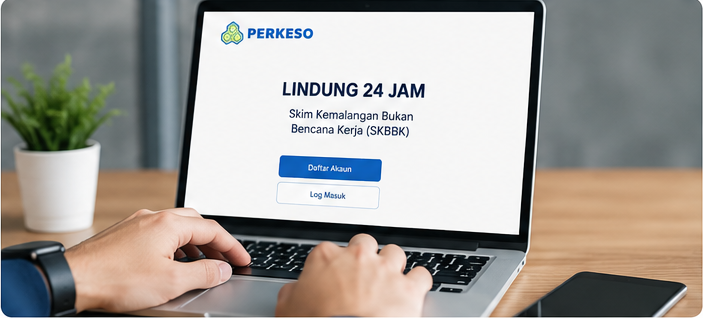
2026年6月1日 起,PERKESO / SOCSO 将正式扩大员工保障范围,推出 Skim LINDUNG 24 JAM,也称为 Skim Kemalangan Bukan Bencana Kerja

这项新保障的重点是:员工不再只是受到“工伤保障”,而是进一步获得 24小时非工作相关意外保障


什么是 Skim LINDUNG 24 JAM?

以往,SOCSO 主要保障员工在工作期间、上下班途中,或因工作相关原因发生的意外。

但在 Skim LINDUNG 24 JAM 下,保障范围将扩大至非工作时间发生的意外。

例如:

  • 员工在家中不小心滑倒

  • 周末运动时受伤

  • 外出购物发生意外

  • 非工作用途途中发生意外

只要符合 PERKESO 的申请条件,员工将有机会获得相关保障。

不过,雇主和员工也必须了解:SOCSO 并不是普通医疗保险,并不是所有疾病或所有情况都会自动获得赔偿,最终仍需根据 PERKESO 的规定与审核结果而定。


哪些员工受到影响?

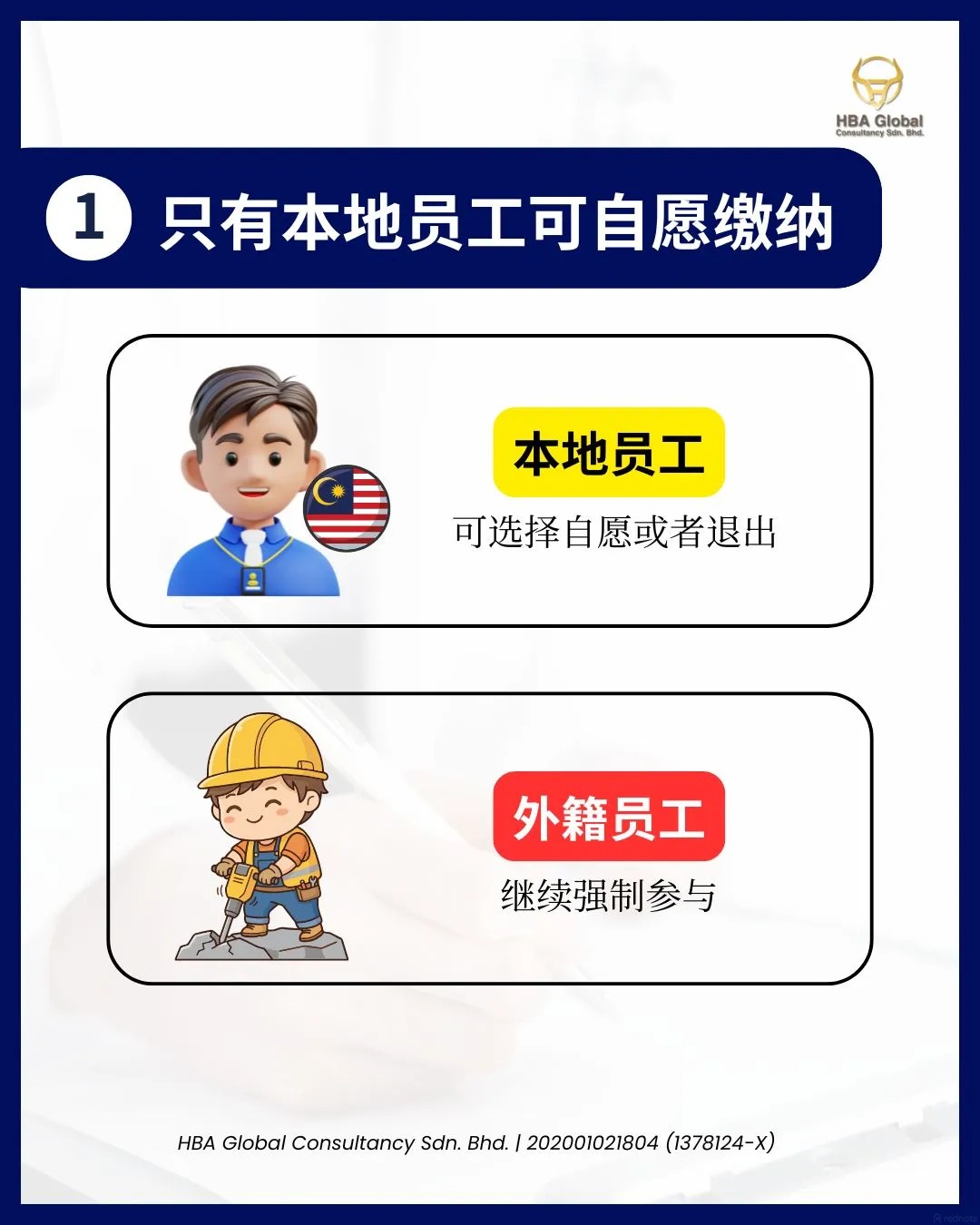
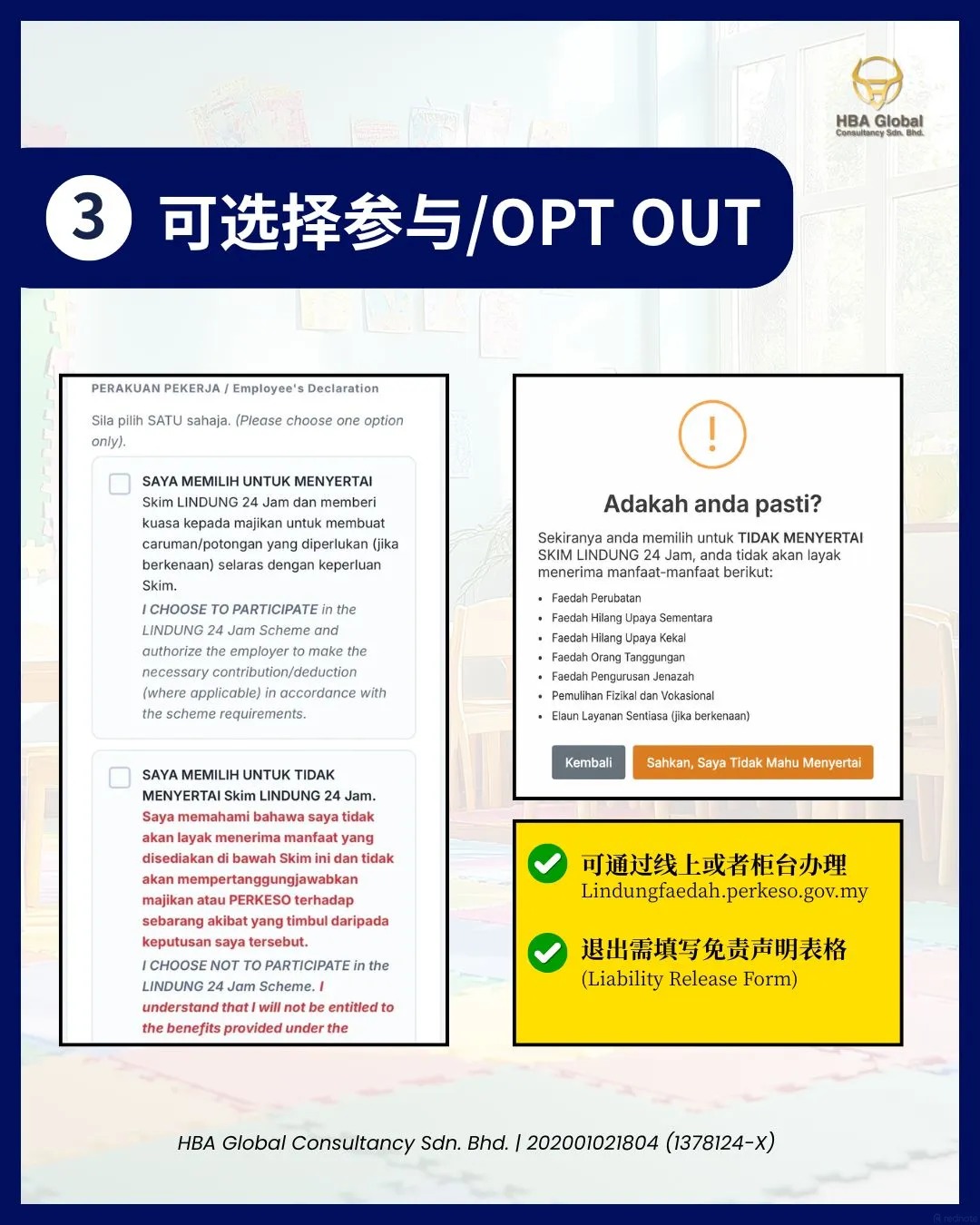
根据 PERKESO 的说明,所有受《1969年雇员社会保障法令》(Act 4)保障的员工,都需要纳入 Skim LINDUNG 24 JAM。

一般包括:

  • 本地员工

  • 外籍员工

  • 合约员工

  • 学徒或受雇培训人员

  • 符合条件的在职员工

此外,Skim LINDUNG 24 JAM 没有年龄限制。只要员工仍在受雇期间,即使超过60岁,仍可继续受到相关保障。


雇主是否需要重新注册员工?

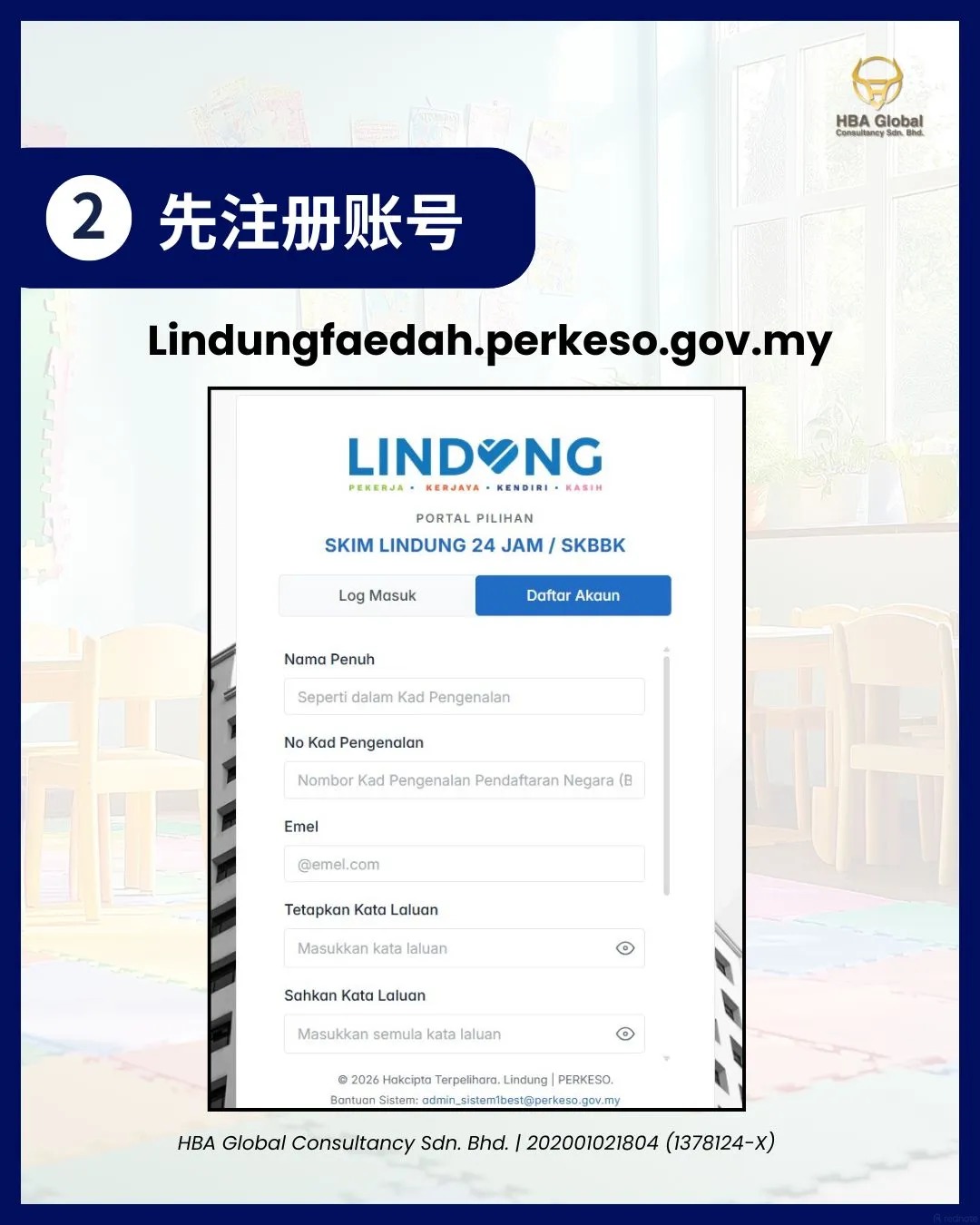
对于现有员工,雇主不需要重新注册,因为员工资料已经在 PERKESO 系统内。

但对于在政策生效后新入职的员工,雇主必须根据现有程序,通过 PERKESO 指定系统为员工完成注册。

如果员工同时拥有超过一名雇主,员工需要选择其中一名雇主作为 Skim LINDUNG 24 JAM 的供款雇主,具体方式需依据 PERKESO 后续规定执行。


供款率是多少?由谁承担?

Skim LINDUNG 24 JAM 的初期供款率为 0.75%

这项供款将由员工承担,雇主需要从员工薪资中扣除,并每月代为缴付给 PERKESO。

简单来说:

  • 雇主负责处理扣款与缴付

  • 员工承担该项供款成本

  • Payroll 系统必须正确更新

虽然这项费用由员工承担,但雇主仍然有责任确保扣款、申报和缴付正确进行。


雇主需要在什么时候缴付?

雇主必须按照现有 SOCSO 供款时间表缴付。

每个月的供款,必须在下个月 15号或之前 缴付给 PERKESO。

例如:

如果是 2026年6月薪资,相关供款应在 2026年7月15日或之前完成缴付。

若雇主没有按时扣款或缴付,可能会面对合规风险、拖欠追讨或相关法律责任。


雇主现在应该准备什么?

企业和 HR / Payroll 团队应该提前做好以下准备:

1. 更新 Payroll 系统

确保系统可以正确加入 Skim LINDUNG 24 JAM 的员工供款项目,并按照规定自动计算。

2. 检查员工资料

确保员工资料完整,包括姓名、身份证或护照资料、入职日期、薪资、职位等。

3. 更新薪资计算流程

公司应确认工资单是否需要显示相关扣款,并确保每月扣款准确。

4. 通知员工

由于这项供款由员工承担,建议公司提前通知员工,让他们了解为什么薪资会出现新的扣款项目。

5. 保存完整记录

雇主需要妥善保存薪资、扣款及供款记录,以便日后 PERKESO 检查或员工申请福利时使用。

6. 准备事故申报流程

如果员工在非工作时间发生意外,公司也可能需要协助员工准备资料和提交申请。


雇主最容易忽略的重点

很多老板可能会认为:

“既然是员工自己承担供款,公司是不是不用管?”

答案是:不是。

即使供款由员工承担,雇主仍然需要负责:

  • 正确从薪资中扣除

  • 按时缴付给 PERKESO

  • 维护员工薪资记录

  • 协助员工了解政策

  • 在员工发生事故时提供申请支持

因此,这不仅是员工福利问题,也是一项 Payroll 合规责任。


总结

Skim LINDUNG 24 JAM 是 SOCSO 保障制度的重要升级。

它让员工在工作以外的时间,也有机会获得意外保障。对于员工来说,这是更全面的安全网;对于雇主来说,则意味着 Payroll、HR政策和员工沟通都必须同步更新。

企业应尽早检查现有薪资系统与内部流程,避免在政策正式生效后才手忙脚乱。

如您不确定公司 Payroll 是否需要调整,或希望了解 Skim LINDUNG 24 JAM 对公司员工成本和合规流程的影响,欢迎联系我们获取专业协助。


🇲🇾 我们拥有超过12年经验,服务接近800家企业!

🔥 Accounting|会计
🔥 Tax|税务
🔥 Company Secretary|公司秘书
🔥 Audit|审计

📞 需要专业支持?联系我们!

2026 最新津贴:马来西亚带薪产假真的加到128天了吗?

2026 最新津贴:马来西亚带薪产假真的加到128天了吗?

最近很多老板和员工都在讨论:

“2026 年开始,马来西亚带薪产假是不是从98天加到128天?”
“额外30天是谁付?”
“公司是不是要多承担一个月薪水?”

这个话题确实很热,但要讲清楚一点:

不是 Employment Act 直接把法定产假改成128天。

更准确的说法是:

现有98天有薪产假 + 新增最多30天产后津贴支持 = 最长可达128天产后休养期。


1. 目前马来西亚产假还是98天

根据马来西亚《1955年雇佣法令》(Employment Act 1955),女性员工目前享有 98天连续有薪产假

这项98天产假已经从2023年1月1日起生效,并不是2026年才开始的新规定。

所谓“连续98天”,代表产假期间如果遇到星期日、休息日或公共假期,一般也会计算在98天里面。


2. 2026 最新重点:产后额外津贴 EPCB

这次真正引起讨论的,是政府宣布将推出:

Elaun Pasca Cuti Bersalin(EPCB)
也就是 Post-Maternity Leave Allowance / 产后额外津贴

根据目前报道,这项津贴是为了让女性员工在完成98天法定产假后,如果需要额外休息,可以获得最多 30天 的财务支持。

津贴金额预计为受保女性员工月薪的 80%,并以一次性方式支付。


3. 所以产假是不是变成128天?

可以这样理解:

98天 = 现有法定有薪产假
额外最多30天 = 产后额外津贴支持
合计最长可达128天产后休养期

但是,企业在对外或对员工解释时,不建议直接说:

“产假正式变128天。”

更准确、更安全的说法是:

“2026年新津贴下,符合资格的女性员工在98天产假后,或可获得最多30天、80%薪资的额外产后津贴支持,使产后休养期最长可达128天。”

这样写比较不会误导,因为目前法定产假本身仍是98天,而额外30天是通过新的津贴机制提供支持,不是简单地把雇主承担的全薪产假直接加到128天。


4. Example:如果员工月薪是 RM5,000,会怎样算?

假设一位女性员工的月薪是 RM5,000,并符合相关资格。

现有98天有薪产假

在现有法定产假下,员工可享有 98天连续有薪产假

这段期间,员工一般会继续获得正常薪资。

简单理解:

98天产假 = 公司继续支付正常薪水

2026新增最多30天产后津贴

如果员工在98天产假后符合资格申请额外产后津贴,最多可获得 30天、80%薪资 的津贴支持。

以 RM5,000 月薪计算:

RM5,000 × 80% = RM4,000

也就是说,员工在额外30天期间,预计可获得大约 RM4,000 的产后津贴支持。

整体可以这样理解

项目

天数

金额说明

法定有薪产假

98天

正常薪资

产后额外津贴

最多30天

月薪80%,例:RM5,000 × 80% = RM4,000

合计

最长128天

98天薪资 + 额外30天津贴支持

因此,很多人说的“带薪产假加到128天”,更准确来说是:

98天法定有薪产假 + 最多30天、80%薪资产后津贴支持 = 最长可达128天产后休养期。

但这并不代表雇主一定要直接承担128天全薪,最终仍需根据政府正式指南和申请条件执行。


5. 额外30天是谁付?老板需要承担吗?

根据目前公布的方向,EPCB 将通过修订 Employment Insurance System Act 2017 推出,也就是和就业保险系统相关的机制。

这项制度的目的,是通过社会保障机制协助分担女性员工产后额外休息期间的财务压力,而不是简单地把额外30天全薪成本直接转嫁给雇主。

所以,对老板来说,重点不是马上准备多付30天全薪,而是要关注政府后续公布的正式申请条件、执行流程和雇主配合事项。


6. 谁可能符合资格?

根据目前资料,符合资格的女性员工一般包括:

在生产前9个月内,至少工作90天;
在生产前4个月内,至少有一天受雇;
生产时少于5名在世子女;
属于受保女性员工。

不过,最终资格、申请方式、薪资计算方式和雇主需要提交什么文件,仍需要等待官方进一步公布完整指南。


7. 为什么政府要推出这个津贴?

这项津贴的目的,是为了帮助女性员工在生产后有更多时间恢复,同时减少女性因为育儿压力而离开职场的情况。

换句话说,这不只是“多放假”的问题,而是为了支持女性员工继续留在职场,减少生产后被迫辞职或中断职业发展的情况。


8. 对雇主有什么影响?

对中小企业来说,这项更新值得提前准备。

公司可以开始检查:

员工手册是否有清楚列明产假政策;
Employment contract 是否包含 maternity leave 条款;
Payroll 系统是否能正确记录产假和津贴;
HR 是否知道98天产假和额外30天津贴的分别;
未来 EPCB 正式执行后,公司是否需要更新内部 SOP。

尤其是有女性员工的企业,建议不要等到员工即将生产时才临时处理。产假、薪资、津贴、职位保留和复工安排,都应该提前有清楚流程。


9. 老板最需要记住的一句话

2026年不是简单把产假从98天改成128天。

更准确来说:

马来西亚女性员工原本已有98天有薪产假;2026年新推出的产后额外津贴,可能让符合资格的员工在产假后再获得最多30天、80%薪资的支持,使整体产后休养期最长可达128天。


总结

2026年最新产假相关话题之所以受到关注,是因为政府计划推出 Post-Maternity Leave Allowance / EPCB 产后额外津贴

这项津贴预计为符合资格的女性员工,在完成98天法定产假后,提供最多30天、80%薪资的额外支持。

对员工来说,这是更大的产后保障。
对雇主来说,这是一个需要关注 HR、payroll 和雇佣合约更新的重要 compliance 事项。

企业应持续关注官方正式指南,并及时更新公司内部政策,以避免未来在产假、薪资和员工权益方面出现争议。


需要协助检查公司 HR / Payroll 吗?

产假、陪产假、薪资计算、员工手册和雇佣合约,都是企业日常管理中容易被忽略,却很容易引起争议的部分。

如果你的公司还没有清楚的 HR policy、payroll 流程或 leave entitlement 记录,建议尽早整理。

HBA Global Consultancy Sdn. Bhd. 可协助中小企业处理会计、薪资、税务及合规事项,让企业经营更清楚、更安心。

📞 欢迎联系我们,获取专业支持。

2026 SOCSO Update: What is Skim LINDUNG 24 JAM and What Should Employers Prepare?

2026 SOCSO Update: What is Skim LINDUNG 24 JAM and What Should Employers Prepare?

Based on PERKESO’s Pekeliling Majikan Bilangan 2 Tahun 2026, a new protection scheme known as Skim LINDUNG 24 JAM (Non-Work Disaster Accident Scheme) will come into effect on 1 June 2026.

This initiative significantly expands employee protection beyond traditional workplace accidents by providing coverage for eligible non-work-related accidents that occur outside working hours.


What is Skim LINDUNG 24 JAM?

Previously, SOCSO mainly provided protection for accidents that occurred:

  • During working hours

  • While commuting to and from work

  • As a result of work-related activities

Under Skim LINDUNG 24 JAM, the scope of protection is expanded to cover certain accidents that occur outside working hours.

Examples may include:

  • Slipping and falling at home

  • Injuries sustained during weekend sports activities

  • Accidents while shopping

  • Accidents occurring during personal travel

Subject to PERKESO’s terms and conditions, eligible employees may receive benefits under this scheme.

However, employers and employees should note that SOCSO is not a medical insurance policy. Not every illness, injury, or incident will automatically qualify for compensation. All claims remain subject to PERKESO’s assessment and approval.


Which Employees Are Covered?

According to PERKESO, employees covered under the Employees’ Social Security Act 1969 (Act 4) are required to participate in the scheme.

This generally includes:

  • Malaysian employees

  • Foreign employees

  • Contract employees

  • Apprentices and trainees under employment

  • Other eligible employees under Act 4

There is no age limit under Skim LINDUNG 24 JAM. Employees who continue working beyond the age of 60 may still enjoy protection under the scheme as long as they remain eligible under PERKESO regulations.


Do Employers Need to Re-Register Existing Employees?

No.

Existing employees who are already registered with PERKESO do not need to be re-registered.

However, new employees joining after the implementation date must still be registered through the existing PERKESO registration procedures.

For employees who work for multiple employers, PERKESO requires the employee to nominate one employer as the contributing employer under Skim LINDUNG 24 JAM, subject to further guidelines issued by PERKESO.


What Is the Contribution Rate?

The initial contribution rate under Skim LINDUNG 24 JAM is:

0.75%

This contribution will be borne by the employee.

Employers are responsible for:

  • Deducting the contribution from employee salaries

  • Submitting the contribution to PERKESO

  • Maintaining accurate payroll records

In summary:

✅ Employee bears the contribution cost
✅ Employer processes the deduction and submission
✅ Payroll systems must be updated accordingly

Although the contribution is employee-funded, employers remain legally responsible for ensuring accurate deduction and timely payment.


When Must Contributions Be Paid?

Employers must continue following the existing SOCSO contribution schedule.

Contributions must be paid on or before the 15th day of the following month.

Example

Salary Month:
June 2026

Contribution Due Date:
On or before 15 July 2026

Failure to deduct or remit contributions correctly may expose employers to compliance risks, penalties, and legal liabilities.


What Should Employers Do Now?

To ensure smooth implementation, employers and HR teams should begin preparations early.

1. Update Payroll Systems

Ensure payroll software is capable of calculating and deducting Skim LINDUNG 24 JAM contributions accurately.

2. Review Employee Information

Verify that employee records are complete and updated, including:

  • Name

  • NRIC / Passport details

  • Employment commencement date

  • Salary information

  • Job position

3. Review Payroll Processes

Ensure salary calculations and payslips reflect the new deduction correctly.

4. Inform Employees

Since the contribution will be borne by employees, employers should communicate the purpose of the new deduction in advance to avoid confusion.

5. Maintain Proper Records

Payroll records, contribution details, and supporting documents should be systematically maintained for PERKESO verification and future claim purposes.

6. Establish Claim Support Procedures

Employers should be prepared to assist employees with documentation and claim submissions when eligible accidents occur outside working hours.


A Common Misconception Among Employers

Many employers assume:

“Since employees are paying for it, the company does not need to do anything.”

This is incorrect.

Even though the contribution is deducted from employees’ salaries, employers remain responsible for:

  • Correct salary deductions

  • Timely submission of contributions

  • Payroll record maintenance

  • Employee communication and awareness

  • Assisting employees with claim-related matters

Therefore, Skim LINDUNG 24 JAM is not only an employee benefit issue — it is also a payroll compliance responsibility.


Conclusion

Skim LINDUNG 24 JAM represents a major enhancement to Malaysia’s social security protection framework.

Employees may now enjoy broader accident protection beyond workplace-related incidents, while employers must ensure their payroll systems, HR policies, and compliance procedures are updated accordingly.

Businesses are encouraged to review their existing payroll processes early to avoid implementation issues when the scheme becomes effective on 1 June 2026.

If you are unsure how this new scheme will impact your payroll operations, employee costs, or compliance obligations, feel free to contact us for professional assistance.


🇲🇾 More than 12 years of experience serving nearly 800 businesses across Malaysia.

🔥 Accounting
🔥 Tax
🔥 Company Secretary
🔥 Audit

📞 Need professional support? Contact us today.

FORM EA & CP58 的区别

website (61)


🚨 FORM EA & CP58 的区别,别搞错了!

很多老板和纳税人都会以为:

👉 Form EA 和 CP58 是一样的东西

但其实,这两份文件完全不同。
如果搞错,不只是影响报税,还有可能涉及税务合规风险!⚠️


📌 什么是 Form EA?

Form EA 是发给:

👉 公司员工(Employees)

主要记录员工一整年的雇佣收入,包括:

✔ 薪水
✔ 津贴
✔ Bonus / 佣金
✔ 员工福利与福利金

📅 雇主通常需要在每年 2月28日前 提供给员工,方便员工进行个人报税。


📌 什么是 CP58?

CP58 是发给:

👉 代理、经销商、佣金人员(非公司员工)

内容通常包括:

✔ 佣金
✔ 奖励金 / Incentive
✔ 现金奖励
✔ 非现金奖励(例如汽车、旅游、礼券等)

📅 CP58 一般需要在每年 3月31日前 发出。


⚠️ 两者最大的区别是什么?

Form EA

✔ 给员工
✔ 属于雇佣收入
✔ 存在 employer-employee relationship(雇佣关系)

CP58

✔ 给代理 / 经销商 / 非员工
✔ 属于佣金或商业性质收入
✔ 不属于雇佣关系


💥 如果做错会怎样?

如果错误分类、漏发文件,或没有正确申报,可能会面对税务处罚:

❌ 罚款 RM200 – RM20,000
❌ 或监禁不超过 6 个月
❌ 或两者兼施


👨‍💼 老板 & HR 一定要注意

企业在处理 payroll 与税务时,建议特别留意:

📌 不要把员工误当成 CP58 对象
📌 不要遗漏代理 / 经销商的佣金收入
📌 不要等到报税季才开始整理资料

提早整理与正确分类,才能减少报税错误与合规风险。


💡 总结

虽然 Form EA 和 CP58 都与收入有关,但适用对象完全不同。正确了解两者区别,不仅能帮助公司更顺利处理报税,也能避免不必要的罚款与税务问题。

需要协助处理 Payroll、Form EA、CP58 或税务合规问题?欢迎联系 HBA Global 获取专业协助。

Form EA vs CP58 in Malaysia

website (61)


🚨 Form EA vs CP58 in Malaysia: What’s the Difference? Don’t Get It Wrong!

Many employers and taxpayers in Malaysia assume that Form EA and CP58 are the same thing.

But in reality, these two forms serve completely different purposes — and using the wrong one may affect tax reporting and compliance. ⚠️


📌 What Is Form EA?

Form EA is issued to:

👉 Employees (under employment relationship)

It summarizes the employee’s yearly employment income and benefits, including:

✔ Salary
✔ Allowances
✔ Bonus / Commission
✔ Employee benefits & perquisites

📅 Employers are generally required to provide Form EA to employees by 28 February each year to assist with personal income tax filing.


📌 What Is CP58?

CP58 is issued to:

👉 Agents, dealers, distributors, or commission earners
(people who are NOT company employees)

It includes payments such as:

✔ Commission
✔ Incentives / Bonuses
✔ Cash rewards
✔ Non-cash rewards (cars, travel packages, vouchers, gifts, etc.)

📅 CP58 should generally be issued by 31 March each year for income reporting purposes.


⚠️ What’s the Main Difference?

Form EA

✔ For employees
✔ Employment income
✔ Employer-employee relationship exists

CP58

✔ For agents / distributors / commission earners
✔ Business or incentive income
✔ No employment relationship


💥 What Happens If You Get It Wrong?

Incorrect reporting or failure to issue the required forms may expose businesses to penalties under Malaysian tax regulations.

Potential consequences may include:

❌ Fines ranging from RM200 to RM20,000
❌ Imprisonment up to 6 months
❌ Or both


👨‍💼 Important Reminders for Employers

Business owners and HR teams should take note:

📌 Do not mistakenly treat employees as CP58 recipients
📌 Do not overlook commissions or incentive payments made to agents
📌 Do not wait until tax season to organize records

Proper classification and documentation are important to ensure smooth tax filing and compliance with LHDN requirements.


💡 Final Thoughts

Although Form EA and CP58 may seem similar, they apply to completely different categories of income recipients. Understanding the distinction helps businesses avoid reporting errors, penalties, and unnecessary tax complications.

Need help with payroll, Form EA preparation, CP58 issuance, or tax compliance? HBA Global is here to support your business with professional guidance and solutions.

2026 SOCSO 新政策:不只是工伤,现在变成 24 小时保障?

website (60)


🚨 2026 SOCSO 新政策:不只是工伤,现在变成 24 小时保障?

很多人一直以为:

👉 SOCSO / PERKESO 只有工作受伤才能 claim
👉 上班途中车祸才有保障

但从 2026年6月1日开始,马来西亚将正式推行新的:

🛡️ Skim LINDUNG 24 Jam(24小时保障计划)

根据 PERKESO / SOCSO 最新公布的新制度,保障范围将从原本的“工伤保障”,扩大至更多 非工作相关意外(Non-Employment Injury)


📌 什么意思?

【以前】

SOCSO 主要保障:

✔ 工作期间受伤
✔ 上下班途中发生意外


【现在】

新制度下,以下情况也可能受到保障:

✔ 在家跌倒受伤
✔ 周末外出发生意外
✔ 买菜途中发生事故
✔ 做运动受伤
✔ 非工作时间发生的意外事故

简单来说:

👉 PERKESO 不再只是 “工作时保障”
👉 而是升级成 “24小时社会保障”


💰 谁承担费用?

根据目前公布的信息:

📌 这项新计划属于 强制性缴纳
📌 但费用将由员工承担

预计分阶段增加:

  • 2026–2027:+0.75%

  • 2028–2030:+1.00%

  • 2031 起:+1.25%

⚠️ 实际扣除金额仍会根据 PERKESO 最终公布的薪资表而定。


👨‍💼 老板 & HR 要特别注意什么?

这次更新不只是员工的事情,企业也需要同步调整:

📌 Payroll 系统必须更新

避免扣错或漏扣。

📌 员工会开始询问

HR / 雇主需要清楚解释新的 SOCSO 保障机制。

📌 发生事故时

公司可能需要协助员工处理 claim 文件与流程。

📌 合规风险增加

错误处理 SOCSO 扣款,可能导致公司面临罚款或合规问题。


💡 为什么政府要推出这个制度?

根据官方资料,过去有超过万宗意外索赔,因为发生在工作时间外而被拒绝。新的 LINDUNG 24 Jam 计划,主要是为了:

✔ 提供更全面的社会保障
✔ 减轻员工与家庭的财务风险
✔ 提升马来西亚社会保障制度水平


⚠️ 小提醒

目前部分细节(包括最终实施机制与缴纳表)仍可能随着 PERKESO 最新公告而更新。企业与 HR 建议持续关注官方资讯,并提前做好 payroll 与员工沟通准备。


📌 总结

2026 年开始,SOCSO 不再只是 “工伤保障”。
对于员工来说,虽然薪资会被额外扣一点,但换来的是更全面的 24 小时保障。

而对于企业来说,这不只是 payroll 调整,更是新的合规责任。

需要协助处理 Payroll、SOCSO、HR 合规或员工薪资系统更新?欢迎联系 HBA Global 获取专业协助。

SOCSO Malaysia 2026 Update: Not Just Workplace Injury Coverage Anymore?

website (60)


🚨 SOCSO Malaysia 2026 Update: Not Just Workplace Injury Coverage Anymore?

Many employees and employers have always assumed that:

👉 SOCSO / PERKESO only covers workplace injuries
👉 Or accidents that happen while commuting to work

However, starting from June 2026, Malaysia is expected to introduce a new protection scheme known as:

🛡️ Skim LINDUNG 24 Jam (24-Hour Protection Scheme)

Under this updated initiative, SOCSO protection may be expanded beyond traditional employment-related injuries to include certain non-work-related accidents.


📌 What Does This Mean?

【Previously】

SOCSO mainly covered:

✔ Injuries during working hours
✔ Accidents while travelling to and from work


【Now】

Under the proposed new scheme, situations such as the following may also be covered:

✔ Slipping and falling at home
✔ Weekend accidents
✔ Injuries while grocery shopping
✔ Sports or exercise-related accidents
✔ Other non-work-related accidental injuries

In simple terms:

👉 SOCSO is no longer limited to “workplace injury protection”
👉 It may evolve into a broader 24-hour social protection scheme


💰 Who Pays for It?

Based on currently released information:

📌 The contribution is expected to be mandatory
📌 The additional contribution will be borne by employees

Proposed phased contribution increases:

  • 2026–2027: +0.75%

  • 2028–2030: +1.00%

  • From 2031 onwards: +1.25%

⚠️ Actual contribution calculations may still depend on PERKESO’s final official guidelines and salary schedules.


👨‍💼 Important Things Employers & HR Should Take Note Of

This update is not only important for employees — employers must also prepare operationally and from a compliance perspective.

📌 Payroll System Updates

Payroll systems may need to be updated to avoid incorrect deductions or missed contributions.

📌 Employee Communication

HR and employers should be prepared to explain the new SOCSO coverage mechanism to employees.

📌 Claim Assistance

In the event of accidents, employers may still need to assist employees with claim documentation and procedures.

📌 Compliance Responsibilities

Incorrect deductions or non-compliance may expose companies to penalties or compliance risks.


💡 Why Is This Being Introduced?

The purpose of the proposed LINDUNG 24 Jam scheme is to provide broader social protection coverage and reduce the financial burden on employees and families when accidents happen outside working hours.

The initiative also reflects Malaysia’s effort to strengthen its overall social security system.


⚠️ Important Reminder

Some implementation details — including final contribution structures and operational guidelines — may still change depending on future PERKESO announcements. Employers are encouraged to stay updated with official releases and prepare early for payroll and HR adjustments.


📌 Final Thoughts

Starting from 2026, SOCSO may no longer be limited to workplace injury protection only.

For employees, this could mean broader 24-hour protection coverage.
For employers, it also means additional payroll adjustments and compliance responsibilities.

Need assistance with payroll processing, SOCSO compliance, HR matters, or payroll system updates? Contact HBA Global for professional support and guidance.

Understanding Form EA: Your Annual Tax Guide

Understanding Form EA: Your Annual Tax Guide

Every year, as the calendar turns to January, the Malaysian tax season begins. For both employers and employees, the most significant document during this period is the Form EA.

At HBA Accounting House, we receive many questions about this form. Here is everything you need to know about what it is and the critical timeline you must follow every year.

What is Form EA?

Form EA (also known as the Annual Remuneration Statement) is a document that private-sector employers must prepare for their employees.

It acts as a comprehensive summary of all earnings and deductions for the preceding calendar year (January 1st to December 31st). It includes:

  • Gross Salary & Wages: Your basic pay and overtime.

  • Bonuses & Commissions: Any additional incentives earned.

  • Allowances: Transport, parking, or meal allowances.

  • Statutory Contributions: The total amount of EPF, SOCSO, and EIS deducted.

  • Monthly Tax Deductions (PCB): The total tax already remitted to LHDN on your behalf. 

Why is it used every year? > Employees cannot file their personal income tax (Form BE/B) without the figures from Form EA. It is the "source of truth" used to fill out the LHDN e-Filing system accurately.


The Annual Timeline: Key Dates to Remember

The Form EA cycle follows a strict schedule set by the Inland Revenue Board of Malaysia (LHDN). Mark these recurring dates in your calendar:

Date

Milestone

Responsibility

January 1st

Preparation begins for the previous year's earnings.

Employer / HR

February 28th

The Final Deadline to distribute Form EA to employees.

Employer

March 1st

Individual e-Filing (Form BE) officially opens.

Employee

April 30th

Deadline for employees (without business income) to file taxes.

Employee


Why the February 28th Deadline Matters

By law (Section 83(1A) of the Income Tax Act 1967), employers must provide the Form EA to their employees on or before the last day of February every year.

Failing to meet this deadline is a serious offense. Employers can face fines ranging from RM200 to RM20,000, or even imprisonment, for failing to provide this form to their staff on time.


Summary for Employees

Even if you resigned midway through the year, your former employer is still legally required to issue you a Form EA for the period you were with them. Ensure you gather all your Form EAs if you changed jobs during the year!


Need Professional Tax Assistance?

Staying compliant with LHDN requirements doesn't have to be stressful. At HBA Accounting House, we specialize in payroll management and tax compliance to ensure your business never misses a deadline.


Disclaimer:

The information shared in this post is for general educational and reference purposes only. It does not constitute professional advice. Regulations and requirements may change from time to time. For guidance specific to your situation, please consult with our firm or a qualified professional.

Form E: The Essential Annual Return for Employers

Form E: The Essential Annual Return for Employers

If you own a business in Malaysia, Form E is a mandatory reporting requirement that cannot be ignored. Even if your company is dormant or has no employees, you likely still have a responsibility to file.

What is Form E?

Form E (the Return Form of Employer) is a declaration submitted by an employer to the Inland Revenue Board of Malaysia (LHDN).

Unlike the Form EA, which is handed to your staff, the Form E is submitted directly to LHDN. It serves as a summary of:

  • The total number of employees you had during the year.

  • The total amount of remuneration (salaries, bonuses, etc.) paid.

  • The total amount of Monthly Tax Deductions (PCB/MTD) remitted to LHDN.

  • Confirmation that you have issued Form EA to all your employees.


The "Silent Partner": What is C.P. 8D?

You cannot mention Form E without mentioning C.P. 8D. This is the detailed list of every single employee’s salary and deduction info. For the Form E submission to be considered "complete," you must also submit the C.P. 8D data (usually via the e-Data Praisi system or by uploading a file in the e-Filing portal).


The Annual Timeline: Don't Miss the Grace Period

The timeline for Form E is slightly different from Form EA, providing employers a bit more time to consolidate their data.

Filing Method

Yearly Deadline

Notes

Manual Submission

31st March

Rare now, as LHDN heavily pushes for digital.

e-Filing (e-E)

30th April

LHDN typically provides a 1-month grace period for online submissions.


Important for 2026:

As we look toward the 2026 tax season (reporting for the 2025 calendar year), your digital submission via the MyTax portal must be completed by 30 April 2026.


Who Must File?

A common mistake is thinking you only file if you have taxable employees.

  • Sdn Bhd / Berhad / LLP: Must file every year, even if there are zero employees (a "NIL" return).

  • Sole Proprietors / Partnerships: Must file if they have at least one employee.


The Risk of Non-Compliance

Missing the Form E deadline is a serious offense under the Income Tax Act 1967. Penalties for failing to submit or late submission can range from RM200 to RM20,000, and LHDN can also take legal action against company directors.

Disclaimer:

The information shared in this post is for general educational and reference purposes only. It does not constitute professional advice. Regulations and requirements may change from time to time. For guidance specific to your situation, please consult with our firm or a qualified professional.